
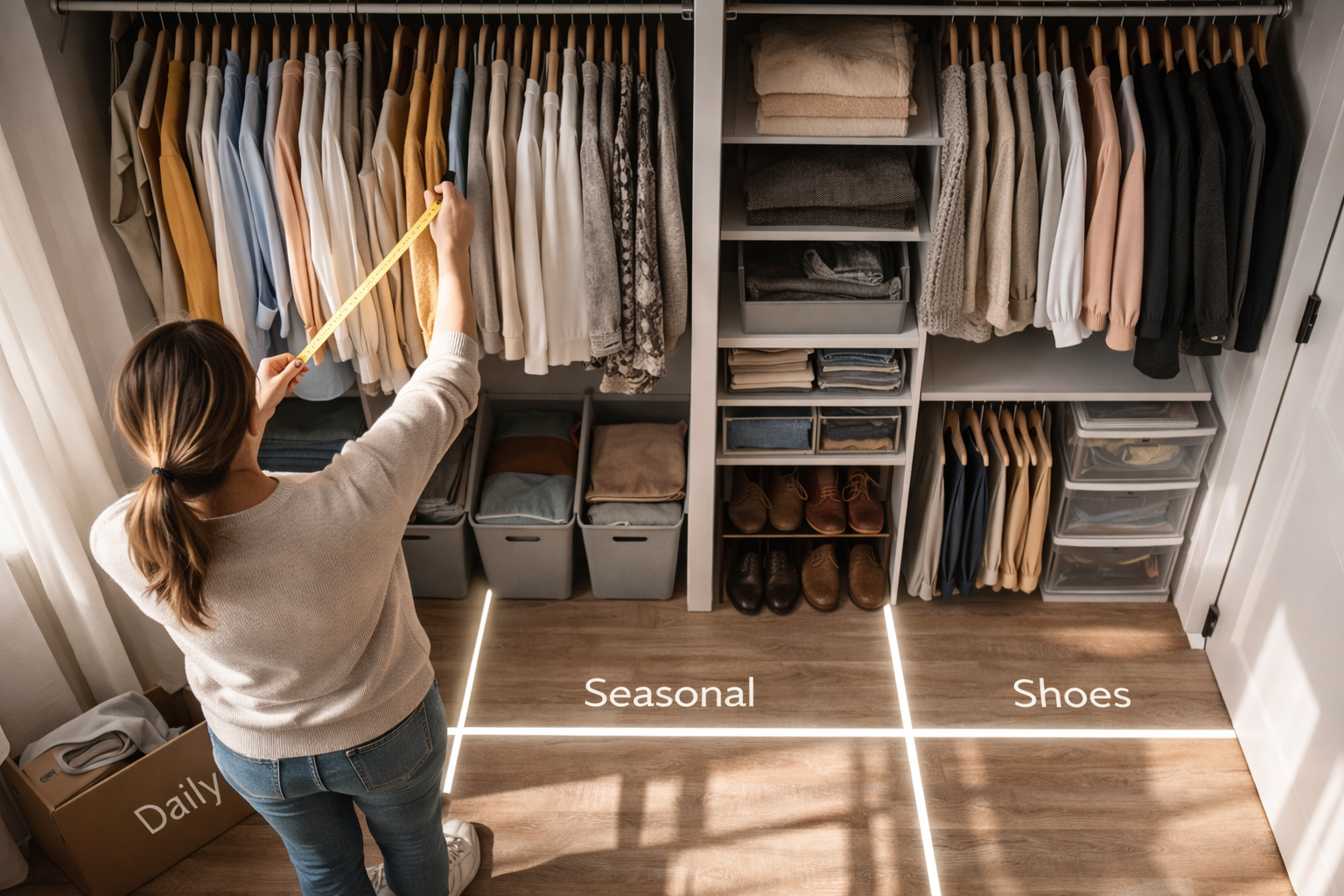
Moving into a new apartment often comes with surprises. Sometimes the kitchen is smaller than expected. Sometimes the living room layout feels different from what you imagined.
But one of the most common challenges is discovering that your new closet is smaller than the previous one.
When that happens, organization becomes essential. A small closet does not need to feel cramped or chaotic.
With the right approach, you can transform limited square footage into a functional, efficient storage system that supports your daily routine.
Maximizing small closet space during a move is not about squeezing everything inside. It is about planning strategically before clutter settles in. When you organize intentionally from the first week, you prevent long-term frustration.
Start Before the Moving Truck Arrives
The best way to maximize a small closet is to prepare before you move in. Waiting until boxes are stacked in your bedroom creates pressure and rushed decisions.
Before moving day, review your wardrobe carefully. Separate what you truly wear from what simply occupies space. If you have not worn something in over a year and it does not serve a specific purpose, consider donating or selling it.
A smaller closet demands clarity. The fewer unnecessary items you bring, the easier it becomes to build an efficient system.
Measure Everything Immediately
As soon as you gain access to your new apartment, measure the closet. This step prevents costly mistakes and wasted purchases.
Measure:
Total width
Total height
Depth from wall to door
Height of hanging rods
Distance between shelves
These measurements allow you to choose organizers that actually fit. Buying storage solutions without measuring often leads to returns, frustration, and wasted money.
A tape measure is one of the most powerful tools for closet organization.
Create a Zoning Strategy
Instead of placing items randomly, divide the closet into clear zones. Even small spaces benefit from structure.
You can organize zones based on:
Daily wear
Work or formal clothing
Seasonal storage
Shoes and accessories
When every category has a designated space, maintenance becomes easier. Without zones, items slowly migrate and create clutter.
A small closet requires clear boundaries.
Double the Hanging Capacity
Many closets have a single hanging rod positioned high enough to leave empty space below shorter garments. This space often goes unused.
Adding a tension rod below the existing rod instantly doubles hanging capacity for shirts, folded pants, and shorter pieces. This solution requires no permanent installation, making it ideal for renters.
Keep longer garments such as coats and dresses on the upper rod, and place shorter items below. This vertical division dramatically increases usable space.
Use Slim, Uniform Hangers
Bulky hangers consume valuable horizontal space. Replacing them with slim, non-slip hangers can create noticeable room without removing any clothing.
Uniform hangers also create visual alignment. A visually organized closet feels larger and more manageable.
When hangers are consistent, clothing stays evenly spaced and easier to browse.
Optimize Vertical Space
Small closets often waste upper and lower areas. The space above the top shelf and below the hanging rod can be transformed into practical storage zones.
Use upper shelves for:
Off-season clothing
Backup linens
Occasion wear
Use lower areas for:
Stackable shoe racks
Clear storage bins
Drawer units for folded clothing
Think vertically instead of horizontally. Height is your ally in tight spaces.
Store Shoes Intentionally
Shoes can quickly overwhelm a small closet floor. Instead of scattering them randomly, create a defined shoe system.
Consider:
Narrow vertical shoe racks
Clear stackable shoe boxes
Under-shelf organizers
Over-the-door shoe storage
Keep only current-season shoes inside the closet. Store the rest in labeled containers elsewhere to reduce congestion.
Limiting visible pairs prevents clutter from accumulating.
Separate Essentials From Storage Items
Not everything needs to live in your primary closet space. Divide items into two main groups:
Daily essentials
Long-term storage
Daily essentials should occupy eye-level and easily reachable areas. Long-term or seasonal items can be stored higher or in labeled containers outside the closet.
This separation reduces overcrowding and makes your daily routine smoother.
Use Drawer Inserts and Containers
Small items like belts, scarves, jewelry, and small bags often create visual chaos. Grouping them into containers keeps the space tidy.
Use small bins or drawer dividers to separate categories. Labeling containers ensures quick access without rummaging.
Containment prevents clutter from spreading.
Avoid Filling Every Inch
When organizing a small closet, it is tempting to use every available centimeter. However, overfilling leads to constant frustration.
Leave some breathing room. A small percentage of empty space allows easier access and prevents wrinkling.
A closet should feel functional, not compressed.
Rotate Seasonally
Closet space changes with the seasons. Heavy coats and thick sweaters take up more room during winter, while lighter fabrics require less space in warmer months.
Create a rotation system. Store off-season clothing in clearly labeled bins under the bed or in another storage area.
This practice keeps your closet relevant and prevents overcrowding year-round.
Think Modular and Portable
If you anticipate moving again in the future, invest in modular storage systems that can adapt to different closet dimensions.
Choose:
Adjustable shelving
Stackable units
Portable drawer systems
Tension rods instead of fixed installations
Avoid heavy built-in structures unless you plan to stay long term. Flexible systems reduce future stress.
A closet system that moves with you saves money and effort over time.
Maintain a Weekly Reset Habit
Even a well-organized small closet can become messy without maintenance. Create a simple weekly habit.
Take five to ten minutes to:
Return misplaced items
Refold clothing
Realign shoes
Reorganize accessories
Small maintenance prevents major reorganizing later.
Consistency matters more than perfection.
Use Lighting to Improve Perception
Small closets often feel cramped because of poor lighting. Adding better lighting can dramatically change the experience.
Consider battery-powered LED lights or motion-sensor lighting strips. When the closet is bright, it feels larger and more welcoming.
Good visibility also prevents unnecessary digging through items.
Avoid Impulse Organizer Purchases
During a move, it is easy to purchase organizers impulsively. However, not all solutions work for every closet.
Live in the space for a few days before buying anything major. Observe how you naturally use the closet.
Buy solutions that support your routine, not trends you saw online.
Intentional purchases prevent clutter disguised as organization.
Psychological Benefits of an Organized Closet
Closet organization affects more than storage. It influences your daily mood and productivity.
When you can easily see your options, getting dressed becomes faster. Mornings feel calmer. Decision fatigue decreases.
Cluttered spaces create subtle stress. Organized spaces create mental clarity.
Even a small closet can support a peaceful routine if designed thoughtfully.
Prevent Future Overflow
After organizing your small closet successfully, protect it from future overflow.
Adopt a simple rule: when a new item enters, an old item leaves. This keeps volume consistent and prevents overcrowding.
Regular mini-decluttering sessions ensure your system remains functional.
A closet should evolve with your lifestyle, not expand uncontrollably.
Final Thoughts: Small Space, Smart Strategy
Maximizing small closet space during a move is not about sacrificing your wardrobe. It is about aligning your belongings with your available space.
By decluttering early, measuring carefully, using vertical solutions, standardizing hangers, and maintaining clear zones, you transform limitation into efficiency.
A small closet can absolutely support a full, active lifestyle. The difference lies in planning.
When organization begins before chaos starts, your new apartment feels intentional from day one.

Ryan Lewis is a home organization enthusiast who specializes in smart, renter-friendly solutions for small spaces. With a passion for functional design and practical living, Alex shares tips, guides, and ideas to help readers create calm, clutter-free environments—no matter the size of their home.