
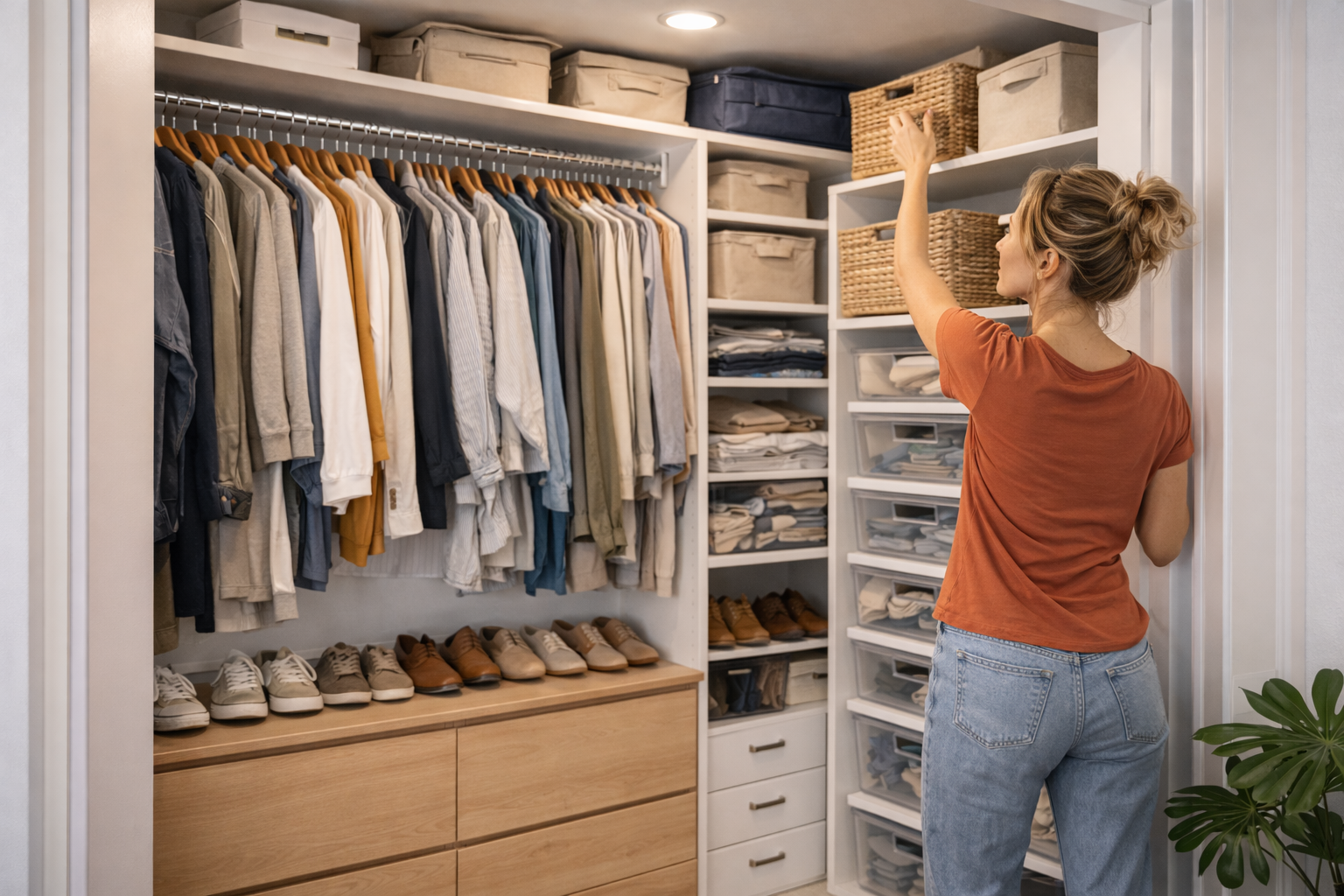
Living in a rental apartment often means adapting your lifestyle to a space that was not designed with your needs in mind.
Closets are a common example of this challenge. They are usually small, basic, and built to meet minimum standards rather than real storage demands.
For renters, the difficulty is not just organizing the closet, but doing so without violating lease rules or risking damage.
Many renters assume that maximizing closet space requires permanent changes. Shelves, hooks, and custom systems often seem like the only way forward.
In reality, effective closet organization is possible without breaking lease rules. The key is understanding how to work within limitations instead of against them.
This article explains how renters can maximize closet space safely, legally, and efficiently, using solutions that respect rental agreements while delivering real results.
Understanding Lease Rules Before Organizing
Before making any changes, it is important to understand what most lease agreements restrict.
In general, drilling holes, installing permanent fixtures, or altering walls and doors are not allowed without permission. Even small modifications can lead to penalties or loss of the security deposit.
The good news is that lease rules usually focus on permanent damage. Temporary, removable solutions are almost always allowed.
This distinction is critical. Once you design your organization strategy around removability, the range of available options expands significantly.
A renter-friendly approach starts with the assumption that everything should be reversible.
Rethinking Closet Space From a Renter Perspective
Maximizing space does not always mean adding more storage. Often, it means using existing space more efficiently. Rental closets frequently waste vertical and lower areas, while crowding the main hanging rod.
Instead of thinking in terms of installation, think in terms of layers. Space can be layered vertically, divided by function, and reorganized using portable elements. This mindset shift is what allows renters to improve storage without breaking rules.
When you treat the closet as a flexible container rather than a fixed structure, new possibilities emerge.
Using Vertical Space Without Modifying Walls
Vertical space is one of the most underused areas in rental closets. Many closets have height that is never fully utilized because renters hesitate to add shelves or hooks.
Hanging organizers, tiered hangers, and tension-based systems allow renters to use vertical space without attaching anything to the walls. These solutions create multiple levels of storage using gravity or pressure instead of hardware.
By noting where unused height exists and filling it with removable organizers, renters can significantly increase capacity without altering the apartment.
Double Hanging Without Permanent Fixtures
Most rental closets include a single hanging rod, which often wastes space beneath shorter garments. Adding a second rod usually requires drilling, but alternatives exist.
Tension rods can be installed below the main rod to create a second hanging level. These rods stay in place using pressure and can be adjusted or removed easily. They are ideal for shirts, skirts, and folded pants.
This simple adjustment often doubles hanging capacity without violating lease rules.
Floor-Based Storage That Expands Closet Capacity
The floor of a rental closet is valuable space that is often overlooked or poorly used. Floor-based storage solutions add structure without touching walls.
Freestanding shelves, stackable bins, and slim drawer units can all sit on the closet floor. These items create defined storage zones for shoes, accessories, or folded clothing.
Because they rest entirely on the floor, these organizers are fully renter-safe and easy to relocate if needed.
Using Closet Doors to Add Storage Legally
Closet doors are not typically restricted in rental agreements, as long as they are not damaged. Over-the-door organizers take advantage of this fact by adding storage without altering the door itself.
These organizers are especially useful for items that need quick access, such as shoes, bags, or accessories. They keep frequently used items visible and reduce congestion inside the closet.
For renters, door-based storage is one of the safest ways to increase capacity without breaking any rules.
Choosing Adjustable Organizers Over Fixed Ones
Fixed organizers lock you into a single layout. Adjustable organizers allow flexibility, which is essential for rental living.
Look for storage systems that can change height, width, or configuration without tools. Adjustable shelving units, expandable racks, and modular bins adapt to different needs and spaces.
This adaptability ensures that your closet can evolve over time without requiring permanent changes.
Decluttering as a Space-Maximizing Tool
One of the most effective ways to maximize closet space is reducing what you store. Rental closets feel smaller when they are overloaded with items that are rarely used.
Decluttering allows storage systems to work properly. It also reduces the need for complex organizers that might push against lease boundaries.
A lighter closet is easier to organize, easier to maintain, and more flexible for renters.
Creating Functional Zones Instead of Built-In Sections
Permanent closets rely on built-in sections. Renters can achieve the same effect using zones.
A zone for hanging clothes, a zone for folded items, a zone for shoes, and a zone for accessories can all be created using portable organizers. This approach provides structure without permanence.
Zoning also helps maintain organization because every item has a clear purpose and place.
Avoiding Common Lease-Breaking Mistakes
One of the most common mistakes renters make is using adhesive hooks or strips. Even removable adhesives can damage paint or leave residue, which may violate lease terms.
Another mistake is attaching organizers to walls or doors without proper protection. Even minor scratches can be considered damage.
Avoiding these mistakes protects both your closet and your rental agreement.
Planning for Future Moves
Renters often move more frequently than homeowners. Choosing organizers that can move with you is both practical and cost-effective.
Portable and adjustable solutions reduce waste and ensure that your organization system works in future apartments. This long-term thinking aligns well with lease-friendly organization.
A closet designed for movement is often more efficient than one designed to stay in place.
Maintaining Maximum Space Over Time
Maximizing space is not a one-time task. It requires regular reassessment.
Seasonal rotations, occasional decluttering, and small adjustments keep the closet functional. Because renter-friendly systems are flexible, these updates are easy to make.
Consistency ensures that the space remains optimized without needing new installations.
Frequently Asked Questions
Can renters really maximize closet space without breaking rules?
Yes. By using floor-based, hanging, and tension-based organizers, renters can significantly expand storage without permanent changes.
Are tension rods allowed in rental apartments?
In most cases, yes. Tension rods do not damage surfaces when used correctly and are removable.
What is the safest way to add shelves in a rental closet?
Hanging organizers and freestanding shelves are safer than adhesive or drilled shelves.
How do I know if an organizer violates my lease?
If it requires drilling, permanent attachment, or alters walls or doors, it may violate lease rules. Removable solutions are generally safe.
Should renters ask permission before organizing closets?
For removable organizers, permission is usually not necessary. For permanent changes, always ask first.

Ryan Lewis is a home organization enthusiast who specializes in smart, renter-friendly solutions for small spaces. With a passion for functional design and practical living, Alex shares tips, guides, and ideas to help readers create calm, clutter-free environments—no matter the size of their home.