
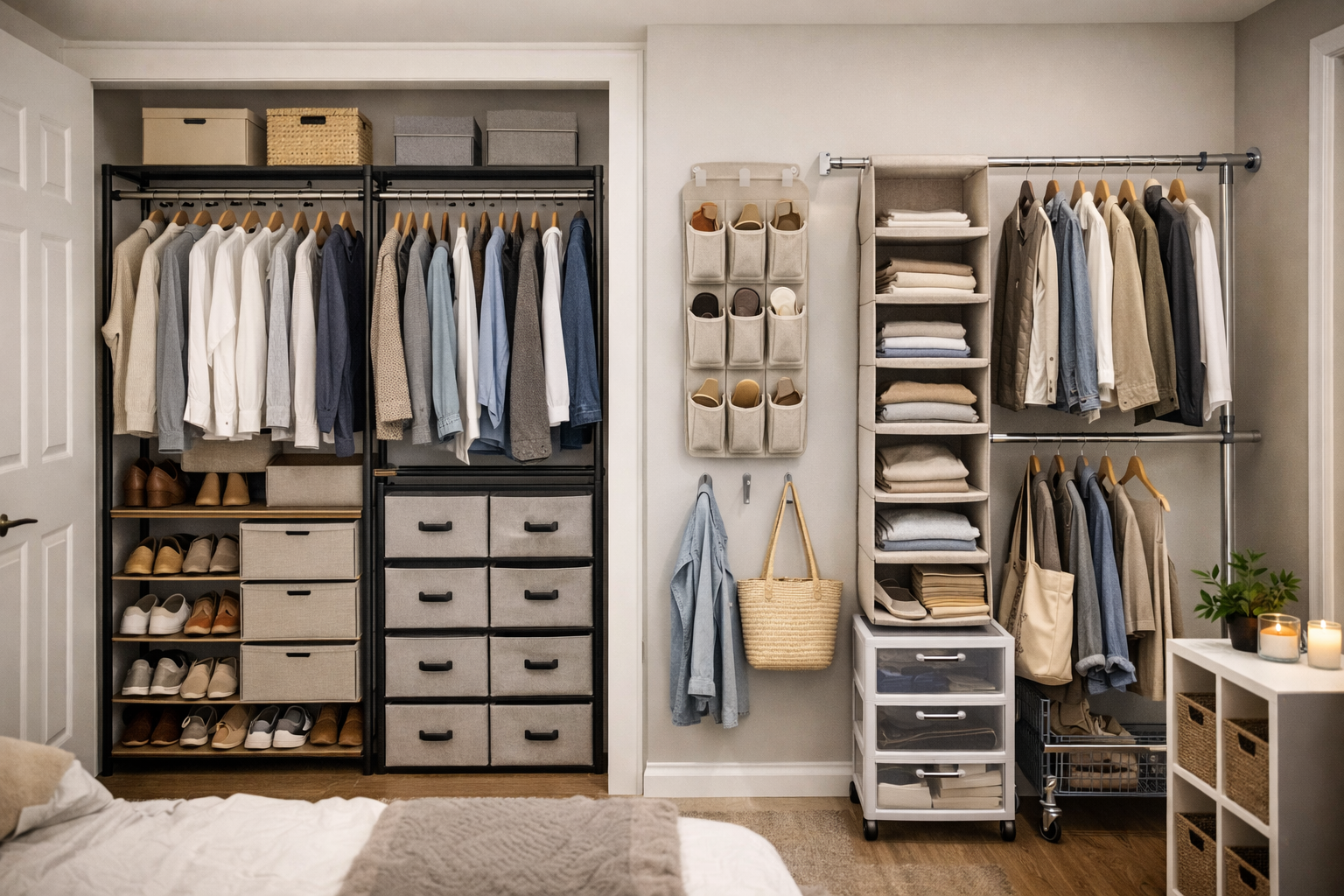
Living in a rental apartment comes with its own unique set of challenges — and one of the biggest is the inability to make permanent changes to your space.
You want to stay organized and stylish, but you also need to respect your lease agreement and protect your security deposit.
Closets are often small, awkward, or just plain inefficient in rental units. But that doesn’t mean you’re stuck with what you’ve got.
In fact, there are countless renter-friendly closet systems that offer real function and flexibility — without damaging walls or requiring tools.
In this guide, we’ll explore smart closet solutions that are modular, removable, and effective, so you can make the most of your space without making a single hole in the wall.
The Renter’s Dilemma: Maximize Space Without Breaking Rules
Most landlords don’t allow tenants to drill into walls, install permanent fixtures, or remodel spaces. Unfortunately, that means standard closet upgrades are usually off-limits.
However, the need for efficient storage is greater than ever — especially in small apartments where the closet may be your only built-in storage.
From limited hanging space to a total lack of shelves or drawers, rental closets often fail to meet basic needs.
That’s where modular and non-invasive closet systems come in. These products are designed to provide organization without requiring permanent installation, making them perfect for short-term living situations.
What Makes a Closet System “Renter-Friendly”?
To be considered renter-friendly, a closet system should meet these criteria:
- No drilling or wall damage
- Easy to install and remove
- Portable and reusable in future homes
- Adjustable to fit various closet shapes and sizes
- Stylish enough to upgrade the look of your space
Fortunately, there are many types of systems that check all of these boxes — and they’re available at every budget level.
1. Freestanding Closet Organizers
Freestanding systems are like mini-closets within your closet. They stand on the floor and use vertical space for hanging, shelving, or drawer storage. Best of all, they require zero installation.
Benefits:
- No tools required
- Easy to reposition or move
- Available in metal, wood, or laminate
- Ideal for walk-ins or reach-in closets
Popular options:
- Double-rod garment racks with built-in shelves
- Tower-style organizers with drawers and open shelves
- Expandable metal frames for custom sizing
These units are perfect for renters because they don’t alter the existing closet — you simply place them inside.
2. Tension Rod Systems
Tension rods work by applying pressure between two walls. They’re perfect for hanging clothes, curtains, or even lightweight shelving.
Why renters love them:
- No holes or tools needed
- Easy to install in minutes
- Great for closets without any rods
Use a tension rod to create a second hanging level in your closet, or combine two rods with hanging fabric shelves for a quick DIY solution.
3. Over-the-Door Storage
The back of the closet door is often wasted space — but it can become a storage goldmine with the right system.
Ideas include:
- Over-the-door shoe organizers
- Multi-pocket fabric racks for accessories
- Hook bars for scarves, belts, or hats
- Hanging baskets for toiletries or laundry supplies
These solutions are especially useful in tiny apartments or studio layouts, where every inch matters.
4. Adhesive Hooks and Racks
Modern adhesive products are much stronger than they used to be. Brands like Command™ offer hooks, racks, and wall grids that can hold significant weight and be removed cleanly.
Use them for:
- Hanging purses or tote bags
- Organizing jewelry and accessories
- Holding hats, belts, or scarves
- Mounting small mirrors or décor
Adhesive storage works great when you need vertical organization without the damage.
5. Hanging Closet Organizers
These hanging shelves attach directly to a closet rod and unfold into vertical compartments. They’re usually made of canvas or mesh and are ideal for storing folded clothes, shoes, or even bags.
Pros:
- Inexpensive and lightweight
- Easily collapsible for moving
- Requires no installation
- Great for maximizing vertical space
Use one or more hanging organizers to replace the need for drawers or built-in shelves.
6. Cube Storage Systems
Cube shelves are modular units that can be stacked and arranged in various configurations. They’re perfect for renters because they sit directly on the floor and don’t require wall mounting.
How to use them in a closet:
- Store shoes, bags, or folded clothes
- Add fabric bins for a cleaner look
- Stack vertically to maximize height
You can find these in minimalist white, woodgrain finishes, or bold colors — all of which can add style and order to a dull rental closet.
7. Rolling Racks and Drawers
If your closet is too small (or non-existent), rolling garment racks and drawer carts are lifesavers.
Features to look for:
- Lockable wheels
- Adjustable height
- Integrated shelves or baskets
Rolling racks can act as mobile closets, especially in lofts or studio apartments. Plus, they’re easy to take with you when you move.
8. Curtain Panels for Open Closets
Some rental units have open closets with no doors. Others have broken, outdated, or dysfunctional closet doors. Instead of replacing or repairing them, consider using a curtain panel to “close off” the space with softness and style.
Curtain advantages:
- Easy to install with a tension rod
- Adds privacy and design
- Easily removable at move-out
Choose a neutral or textured fabric to elevate the look of your space while still staying renter-compliant.
9. Stackable Storage Bins
Don’t underestimate the power of a few simple bins. Stackable plastic, wood, or cloth bins can turn an empty closet floor into organized vertical storage.
Use them for:
- Seasonal clothes
- Extra bedding
- Bags and backpacks
- Cables and electronics
Look for clear bins so you can see what’s inside, or use labeled fabric baskets for a neater appearance.
10. Modular Closet Kits (Tool-Free)
Some brands now offer modular closet kits that snap together without tools or screws. These often include frames, shelves, and rods that can be expanded or rearranged — all while avoiding permanent changes to the closet.
Top features:
- Tool-free assembly
- Reusable in your next apartment
- Customizable layout
- Sleek design with modern finishes
These are ideal for renters who want a polished, permanent look — without the commitment.
Tips to Make the Most of Your Renter-Friendly Closet
Here are a few extra tips to maximize your space and stay organized:
- Think vertical: Use floor-to-ceiling storage options.
- Double up: Add a second hanging rod to store more clothes.
- Color code: It makes your closet visually pleasing and easier to navigate.
- Use matching bins: Creates a clean, uniform look.
- Rotate seasonally: Store out-of-season items under the bed or in bins to free up space.
What to Avoid as a Renter
Not all closet solutions are suitable for rental apartments. Here’s what to skip:
- Permanent shelving that requires drilling
- Built-in closet systems that alter the space
- Heavy adhesive or glue that damages paint
- Wall-mounted hooks with nails or screws
- Anything your lease specifically forbids
Always read your lease and check with your landlord before making any major changes — even if they seem minor to you.
Final Thoughts: Function Without Damage
You don’t need to own your space to own your storage. With the right renter-friendly closet systems, you can turn even the smallest, most awkward closet into a well-oiled machine — without risking your security deposit.
From tension rods and adhesive hooks to cube organizers and modular systems, the market is full of smart solutions designed for flexibility and ease. And when you do finally move out? You can take your system with you and set it up in the next place in just a few hours.
So whether you’re short on space, stuck with poor built-ins, or just trying to bring order to chaos — a renter-friendly closet system could be your best investment yet.

Ryan Lewis is a home organization enthusiast who specializes in smart, renter-friendly solutions for small spaces. With a passion for functional design and practical living, Alex shares tips, guides, and ideas to help readers create calm, clutter-free environments—no matter the size of their home.